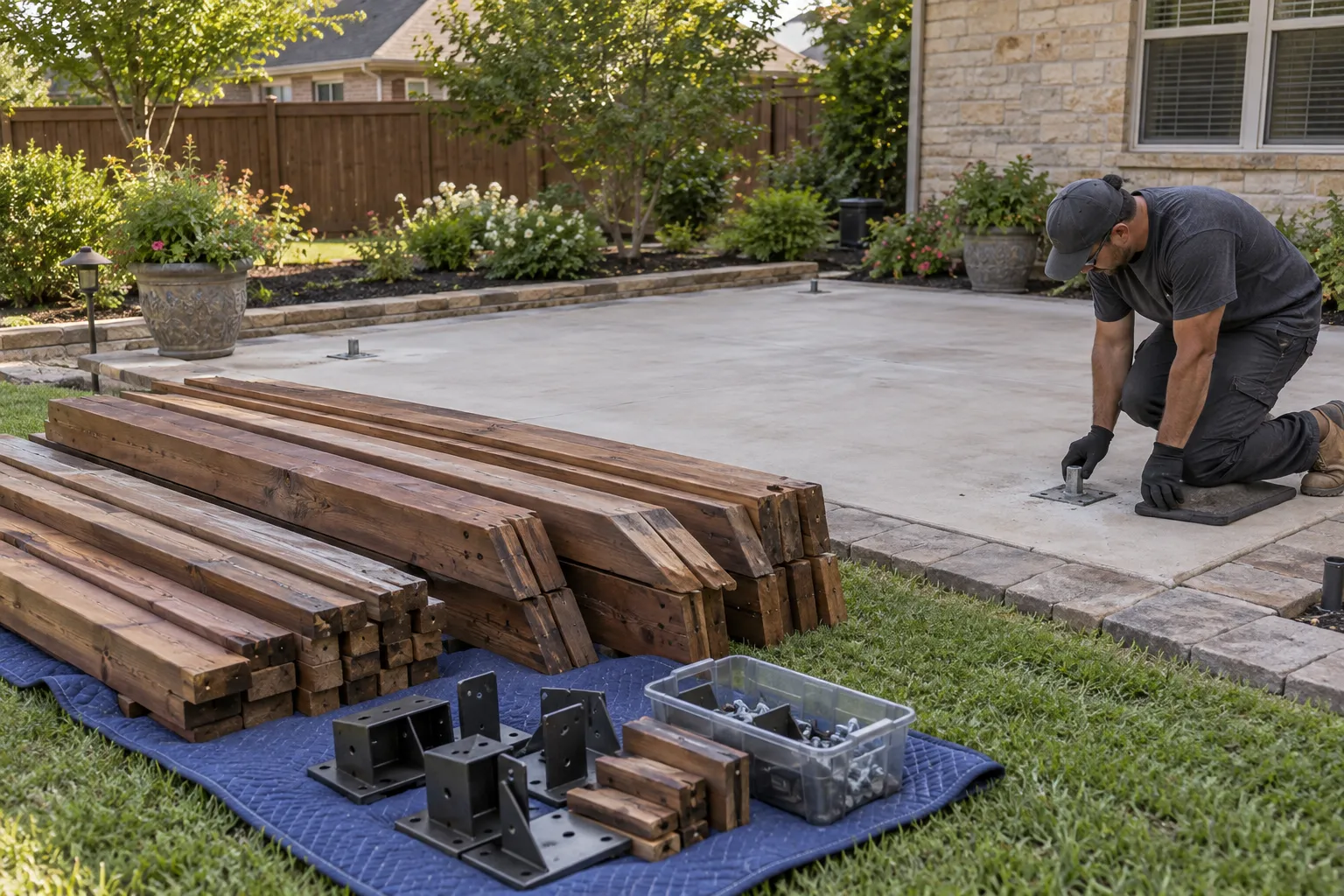
Gazebo Removal Questions to Answer Before an Estimate
Check attachments, utilities, roofing, anchors, access, and the finished patio before a gazebo removal estimate.
Read the guideDefine the structure, access route, connected utilities, and the yard condition you want afterward. CleanChoice turns those details into a workable demolition and haul-away plan.
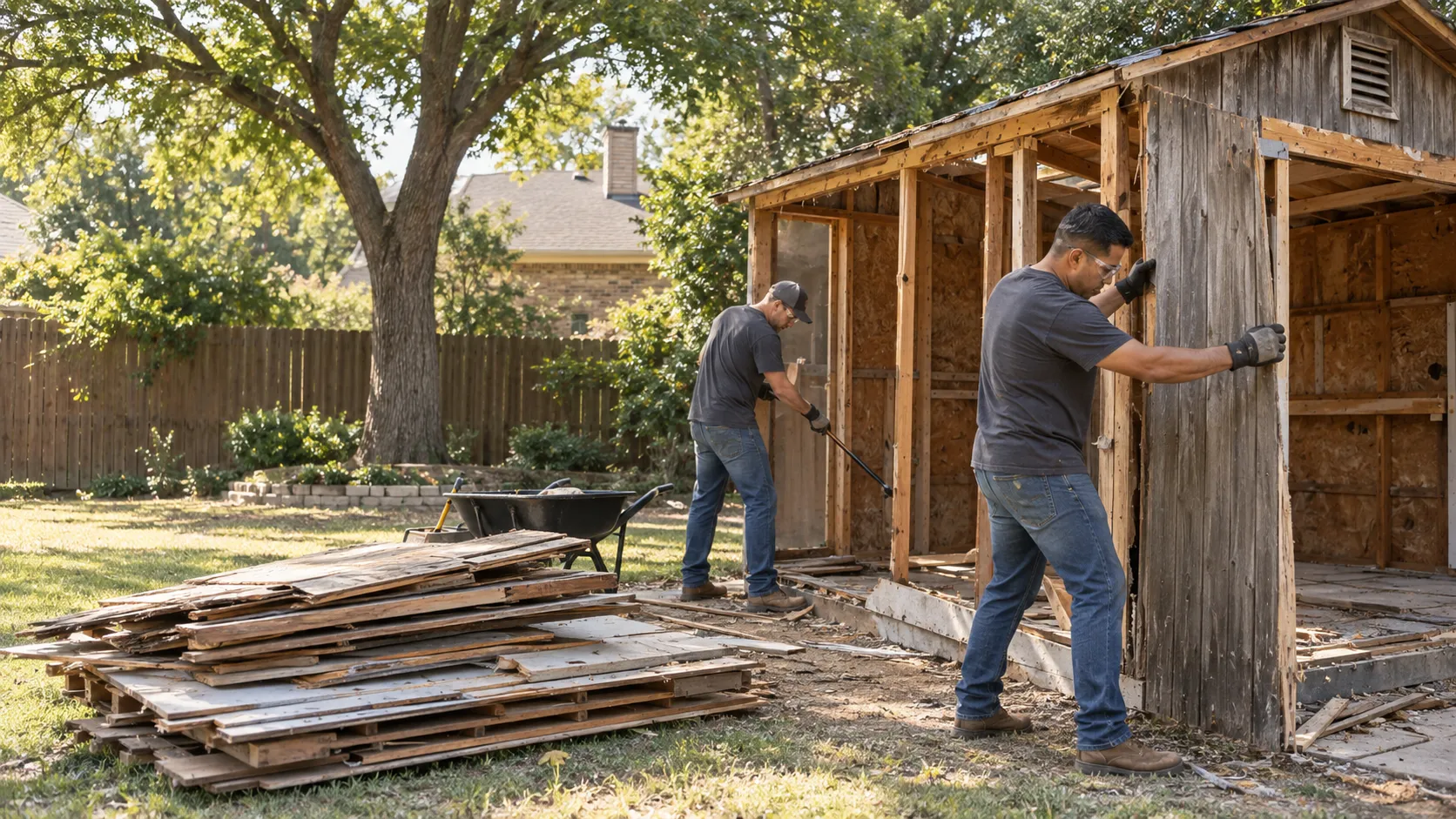
Small structures create large questions once roofing, framing, concrete, wiring, and stored contents meet a narrow side yard. That is why we start with the whole route instead of a one-line quote.
See the shed removal scopeChoose the page that matches the material and connection points on your property.
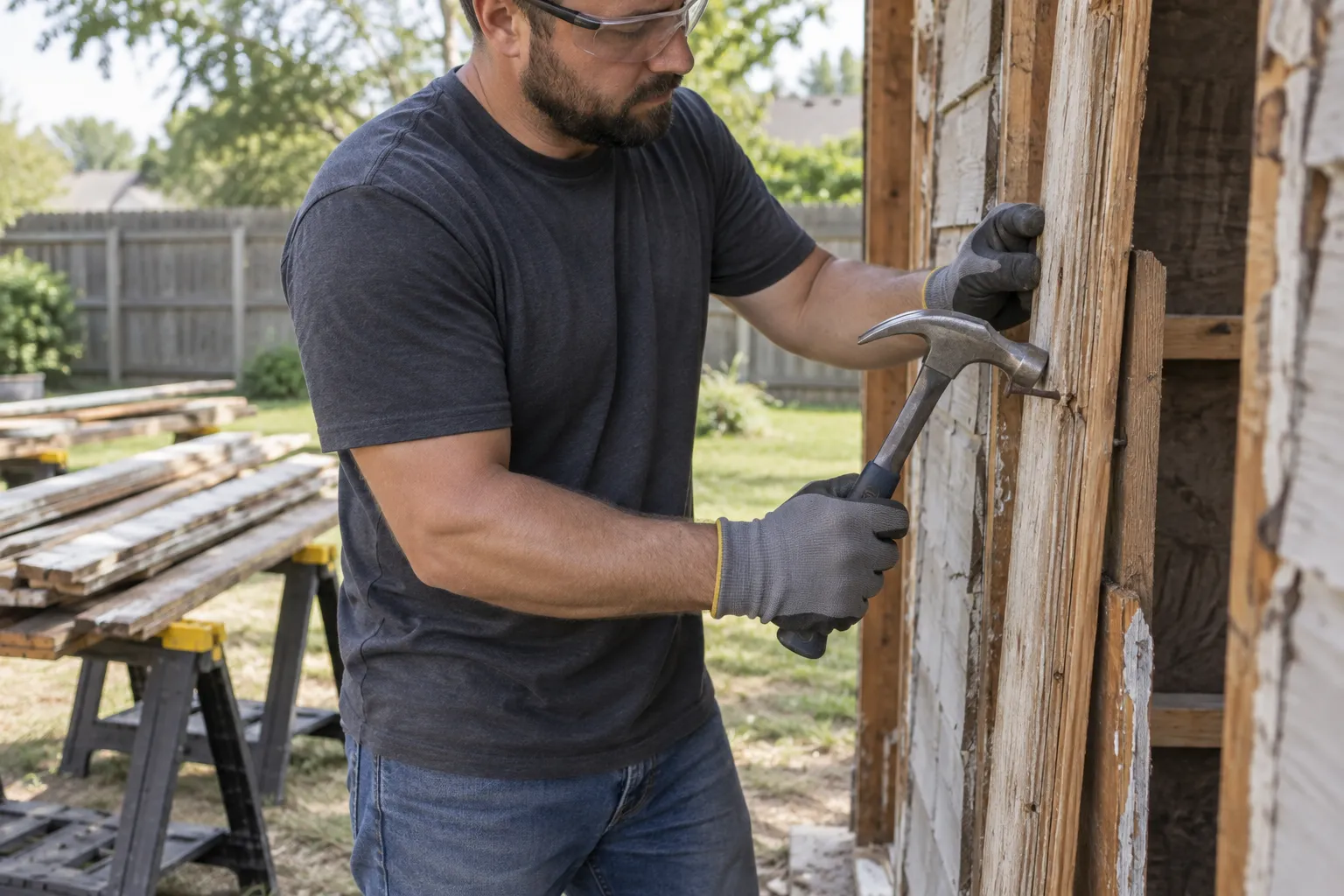
A useful estimate accounts for work conditions, not only square footage.
Short planning guides for the decisions that change a removal job.
Check attachments, utilities, roofing, anchors, access, and the finished patio before a gazebo removal estimate.
Read the guide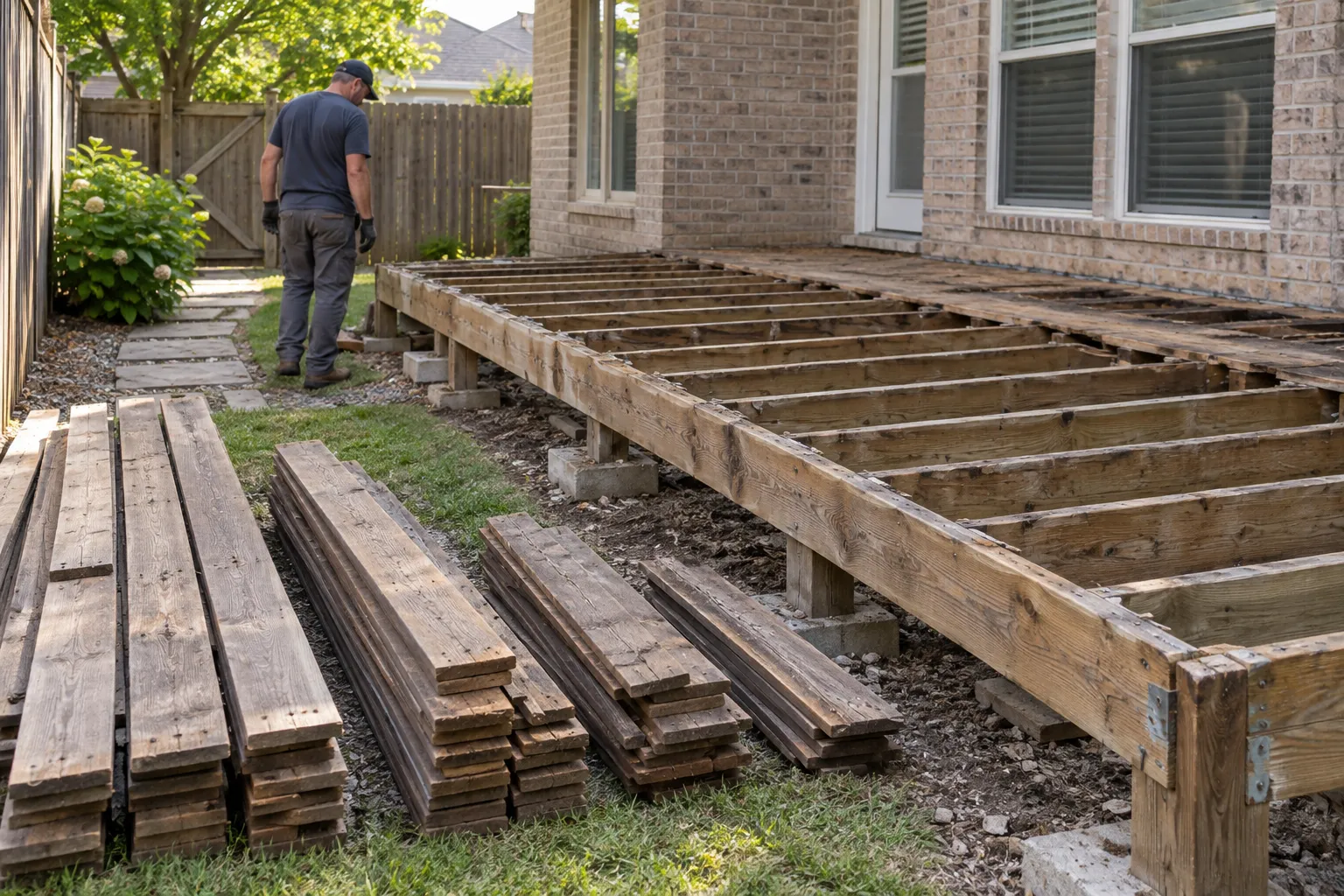
Use this inspection list to find attachments, utilities, footings, and access issues before deck removal begins.
Read the guide
Measure the full route, verify safe disconnection, and flag built-in conditions before the crew arrives.
Read the guideThese are the details worth settling first.
Photos and measurements can start the conversation. The operator decides whether site conditions require an in-person review before confirming scope and price.
Size, construction, stability, utilities, concrete, access, carry distance, material type, debris volume, and the finished condition all matter.
Do not include fuel, chemicals, paint, batteries, asbestos, propane, or unknown containers in an ordinary demolition load. Identify them before work is scheduled.
Requirements vary by municipality, structure, attachment, and property. The property owner should confirm requirements with the relevant city before work begins.
Have photos, rough dimensions, utility notes, and the narrowest route measurement ready.